Dental Clinical Waste Collection & Disposal Services
Dental Waste Collection & Disposal in the South East
Dental Waste Collection & Disposal in the South East
Dental Waste Collection & Disposal in the South East
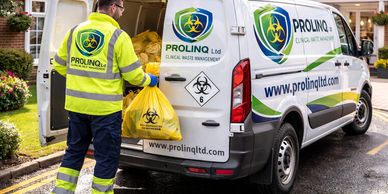
Prolinq Ltd provides fully licensed dental waste collection and disposal services for NHS and private dental practices across Kent, Essex, Surrey, Sussex and Hampshire. We help dental surgeries remain fully compliant with HTM 07-01 guidance, CQC requirements and Environment Agency regulations through reliable scheduled collections and complete digital Duty of Care documentation.
Whether your practice produces dental sharps, amalgam waste, infectious clinical waste, offensive waste or pharmaceutical waste, our experienced team provides a dependable, flexible and cost-effective waste management service tailored to your practice. Every collection is designed to keep your surgery safe, compliant and inspection ready.
Complete Dental Waste Services for Dental Practices
Dental Waste Collection & Disposal in the South East
Dental Waste Collection & Disposal in the South East
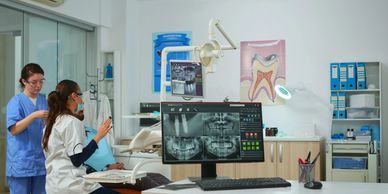
Dental practices produce a range of regulated waste streams that must be correctly segregated, stored and disposed of in accordance with UK healthcare waste legislation.
At Prolinq Ltd, we provide a complete dental waste management service, including:
- Dental sharps bin collection (needles, syringes and endodontic files)
- Dental amalgam waste disposal (mercury-containing waste)
- Infectious clinical waste collection
- Offensive waste disposal
- Pharmaceutical waste collection
- X-ray chemicals and lead foil disposal (where applicable)
Our flexible collection schedules are tailored to the needs of modern dental practices, from single-chair surgeries to larger multi-practice clinics. Every collection includes digital Duty of Care documentation, providing complete traceability from collection through to final treatment or disposal.
Dental Sharps Disposal & Collection
Dental Waste Collection & Disposal in the South East
Dental Amalgam Waste Collection & Disposal

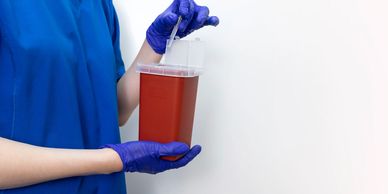
Dental practices generate regulated sharps waste every day, including local anaesthetic needles, syringes, endodontic files, orthodontic wires, surgical blades and disposable syringes. All sharps must be segregated into the correct colour-coded containers before collection by a licensed clinical waste carrier.
We supply and collect a full range of compliant sharps containers, including:
- Orange-lidded sharps bins
- Yellow-lidded sharps bins
- Purple-lidded cytotoxic and cytostatic sharps bins (where required)
All sharps waste is collected, transported and disposed of in accordance with HTM 07-01 guidance and current hazardous waste regulations. Our reliable scheduled collections help keep your dental practice fully compliant, safe and inspection ready.
Dental Amalgam Waste Collection & Disposal
Pharmaceutical Waste Disposal for Dental Practices
Dental Amalgam Waste Collection & Disposal
Dental amalgam waste is classified as hazardous waste due to its mercury content and must be collected, transported and disposed of by a licensed waste carrier in accordance with UK hazardous waste regulations.
Prolinq Ltd provides specialist dental amalgam waste collection services for NHS and private dental practices across Kent, Essex, Surrey, Sussex and Hampshire. We help practices safely manage mercury-containing waste while remaining fully compliant with HTM 07-01 guidance and Environment Agency regulations.
Our dental amalgam collection service includes:
• Amalgam capsules
• Extracted teeth containing amalgam
• Amalgam separator waste
• Amalgam sludge
Every collection includes digital Duty of Care documentation, providing complete traceability from collection through to final treatment or disposal.
Infectious & Offensive Dental Waste Collection
Pharmaceutical Waste Disposal for Dental Practices
Pharmaceutical Waste Disposal for Dental Practices
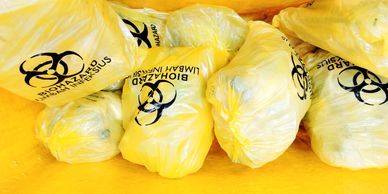
Dental practices produce a variety of infectious and offensive waste streams that must be correctly segregated to protect staff, patients and the environment while complying with UK healthcare waste regulations.
Prolinq Ltd provides reliable infectious and offensive dental waste collection services with flexible collection schedules, approved waste containers and complete digital compliance documentation.
Common dental waste streams include:
• Blood-contaminated dressings
• Used PPE, including gloves, masks and aprons
• Gauze and swabs
• Suction waste
• Hygiene waste
All waste is collected, transported and treated in accordance with HTM 07-01 guidance and current hazardous waste legislation, helping your practice remain fully compliant and inspection ready.
Pharmaceutical Waste Disposal for Dental Practices
Pharmaceutical Waste Disposal for Dental Practices
Pharmaceutical Waste Disposal for Dental Practices
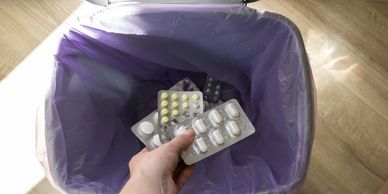
Dental practices routinely generate pharmaceutical waste that must be stored, transported and disposed of safely by a licensed clinical waste carrier.
Prolinq Ltd provides compliant pharmaceutical waste collection for NHS and private dental practices across Kent, Essex, Surrey, Sussex and Hampshire, ensuring medicines are managed safely and in accordance with UK healthcare waste regulations.
We collect pharmaceutical waste including:
• Expired local anaesthetic cartridges
• Out-of-date medicines
• Partially used vials
• Medicinally contaminated waste
Every collection is fully documented with digital Duty of Care records and hazardous waste documentation where required, giving your practice complete confidence that all pharmaceutical waste has been managed safely and legally.
Fully Licensed & CQC-Compliant Dental Waste Collection
Dental Waste Collection for All Types of Dental Practices
Fully Licensed & CQC-Compliant Dental Waste Collection
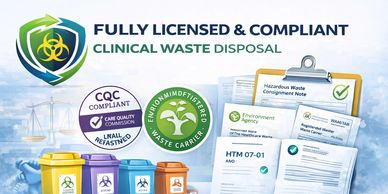
Prolinq Ltd provides fully licensed dental waste collection and disposal services for NHS and private dental practices across Kent, Essex, Surrey, Sussex and Hampshire. Every collection is completed in accordance with UK healthcare waste regulations and includes digital compliance documentation, giving your practice complete peace of mind.
Every dental waste collection includes:
• Digital waste transfer documentation
• Hazardous waste consignment notes (where required)
• Digital Duty of Care documentation
• Fully traceable waste collections
Our services comply with:
• HTM 07-01 – Safe Management of Healthcare Waste
• Environment Agency Regulations
• Hazardous Waste Regulations
Our experienced team helps dental practices remain compliant, organised and inspection ready with reliable scheduled collections and complete waste traceability.
Flexible Dental Waste Collection Schedules
Dental Waste Collection for All Types of Dental Practices
Fully Licensed & CQC-Compliant Dental Waste Collection
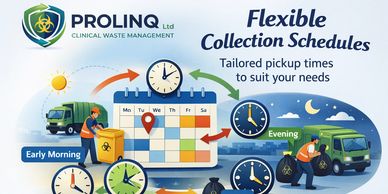
Every dental practice produces different volumes of clinical waste, which is why Prolinq Ltd offers flexible collection schedules tailored to your practice’s individual requirements.
Choose a collection schedule that suits your practice:
• Weekly collections
• Fortnightly collections
• Monthly collections
• Multi-site dental group services
• Additional collections when required
Our flexible approach helps prevent overflowing waste containers, reduces disruption to your practice and ensures all regulated dental waste is collected safely, efficiently and on time.
Dental Waste Collection for All Types of Dental Practices
Dental Waste Collection for All Types of Dental Practices
Dental Waste Collection for All Types of Dental Practices
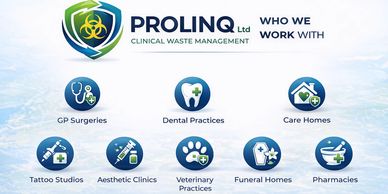
Prolinq Ltd provides specialist dental waste collection and disposal services for NHS and private dental practices throughout Kent, Essex, Surrey, Sussex and Hampshire.
We regularly support:
• NHS dental practices
• Private dental clinics
• Orthodontic practices
• Oral surgery clinics
• Cosmetic dentistry practices
• Multi-site dental groups
Whether you operate a single dental surgery or multiple practice locations, we provide reliable, fully compliant dental waste management with flexible collection schedules, digital Duty of Care documentation and professional customer support to keep your practice safe, compliant and inspection ready.